Guide to some of the Best Photography Books: Classics, Bestsellers, essential reads, & whats on my Bookshelf
Photography is both an art and a craft — and whether you’re a beginner just learning to use your camera or a seasoned creative trying to deepen your vision, one thing will always broaden your skill and perspective: Great Books. Sophisticated modern cameras make taking pictures easy to shoot & upload photos. However, the ease of technology, the fundamentals and photographic principals can get missed and overlooked.
From instructional guides to historical overviews and inspirational photobooks, this blog curates the most popular & highest-rated photography books available — many of which are beloved classics.
In today’s day and age of technology, photography books still matter, and are an invaluable asset for photographers. Some key take aways of why they matter include the following;
Structured Learning: Books teach technique step-by-step, unlike random web tutorials. Having the ability to highlight & dogear favorite
Deep Context: Historical photography books help you understand why styles and movements exist.
Inspiration: Photobooks open your mind to composition, light, narrative, and emotion.
Longevity: Photography books become reference materials you return to again and again.
On the following pages I have outlined several books that are organized by skill level, inspiration, theory, historical/classic books, as well as specialized and genre-focused photography books. Through my photography journey, I relied heavily on books for my technical knowledge and inspiration for creative themes and styles. Many videos will tell you to pick a genre or niche to photograph. My experiences with ‘niche’ photography are varied. I chose to learn and experiment with several niches in order to improve my overall technical skill, figure out lighting and composition. Having this knowledge of multiple areas of photography allowed me to build my skills and help identify what my true passion actually is.
This eclectic approach has improved my creativity, technical proficiency, as well as preventing burnout by keeping the artistic process fun and exciting. Learning concepts from one genre to another can be challenging. I highly recommend it! Specialization can be powerful as becoming a recognized expert. However, I would argue that versatility & adaptability in photography is key to ones success. Developing a vast skill set has been beneficial not only for my technical growth and confidence, it has provided me with marketability and opportunities that provide for me as a creative photographer, and sustaining a small side business and career in photography.
This post contains affiliate links. If you click the link, I earn a small commission—at no extra cost to you
Top Instructional Photography Books (Great for Beginners & Intermediate)
If you’re learning photography and want clear, easy-to-follow instruction — these are the books that consistently appear on best-selling lists & reviewer favorites
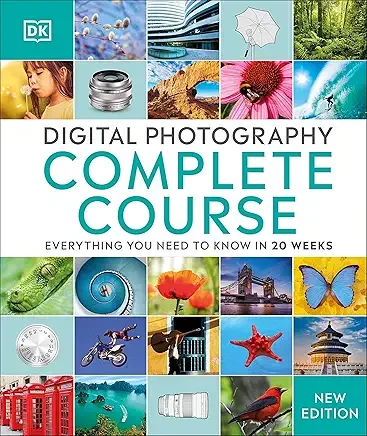
1.Digital Photography Complete Course
A step-by-step journey through photographic fundamentals — from exposure and lighting to creative composition. This structured format makes it one of the best beginner-friendly photography books. This book is an easy to read comprehensive guide that lays out the basic fundamentals of photography, how to use various equipment, technical concepts, and provides a structured plan to follow over the course of 20 weeks. This book is a great companion to your cameras user guide.
Best for: Beginners who want a comprehensive, weekly-based structure.
Why it’s great: Explains camera gear & creative techniques in simple language.
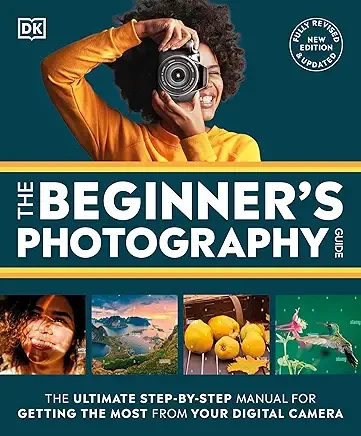
2. The Beginner’s Photography Guide
Published by DK, this beginner photography book offers clear visuals with concise explanations of key camera concepts in simple terms. This book is perfect for those who learn visually as this book has illustrations that provide valuable details of the technical workings of not only your camera but, also how images should look based on the camera settings. This is an essential read due to the clear explanations of central camera fundamentals, simplified terminology, and explained camera jargon.
Best for: Absolute beginners.
Why it’s great: Uses lots of diagrams and annotated photos to teach exposure, composition, and lighting.
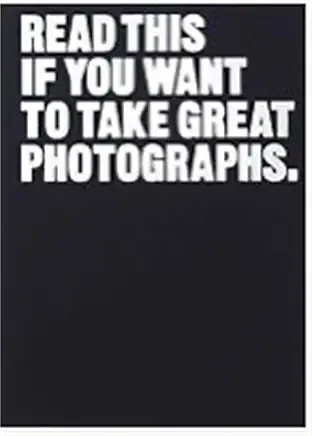
3. Read This If You Want to Take Great Photographs
Written by Henry Carroll, this book is an easy-to-read, visual guide that simplifies tricky concepts like composition and framing. I have not gone through this book personally however, based on the popularity, and positive reviews, I decided to include this one on the list for its readability, quality information and value for the cost. Key take aways from reviews include simple and straight forward writing and approach to simplifying photography while explaining technical aspects such as aperture, shutter speed and ISO.
Best for: Visual learners.
Why it’s great: Fun, stylish format that doesn’t overwhelm with technical jargon.
Intermediate and Skill-Building Photography Books
For photographers who understand the basics and want to turn good shots into great ones
With intermediate level photography books, they can offer a bridge moving from tech basics on to discovering one’s own artistic style and focus on advanced composition concept ideas along with lighting techniques and visual balance with subject matter. It’s at this time where photographers streamline workflows with editing utilizing post processing software.
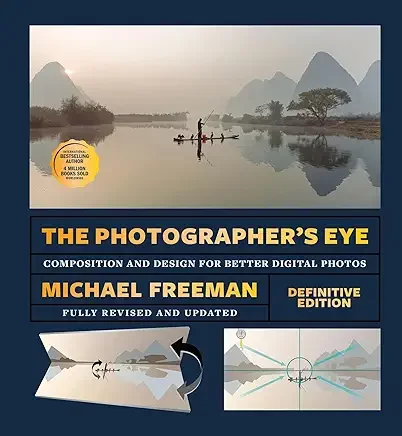
An influential book by Michael Freeman. This is often recommended as a key book for teaching visual mechanics as it instructs how to master composition and design. This book covers traditional composition design theory with a focus on how to “see” in creating compelling images.
Best for: Shooters who want to improve their artistic vision.
Why it’s great: Focuses on visual thinking, balance, and narrative.
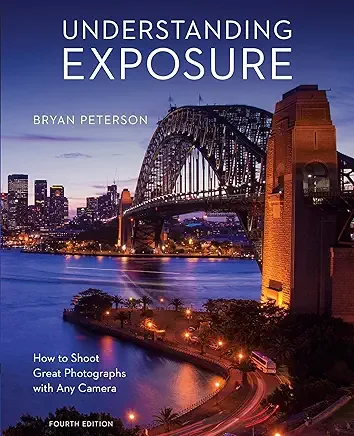
A popular recommendation among photographers (often cited in community threads as the best technical book on exposure). Bryan Peterson uses clear explanations utilizing comparison images to show how settings control depth of field, motion blur. A great book for beginners and experienced photographers to move into the next level of taking control of their camera’s manual settings.
Best for: Anyone confused by aperture, shutter speed, and ISO. The relationship of these 3 elements are explained.
Why it’s great: Turns confusing camera settings into intuitive concepts.
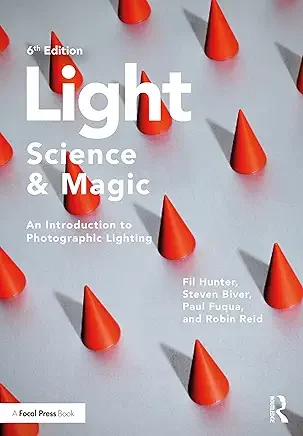
A deeper dive into how light works — especially useful for portrait and studio photographers. This book is a classic comprehensive guide to the principles and nature of lighting and practical application for photographers. Highly recommend!
Best for: Lighting mastery. Valuable for beginners & experienced photographers alike.
Why it’s great: Combines scientific explanation with practical challenges.
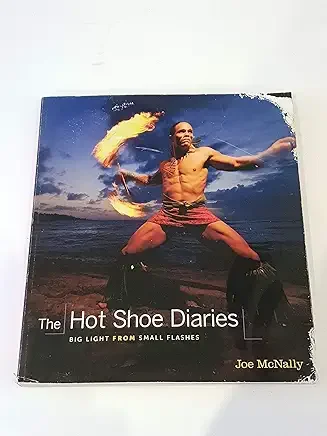
A favorite among photographers for learning on camera flash and off-camera lighting techniques. Shows BTS techniques and solutions for creating dynamic imagery.
Best for: Photographers wanting to master strobes and ambient light mixing.
Why it’s great: Easy to read, suitable for beginners to intermediate photographers.